Clinical Exercise Assessment in Altona North: What an Accredited Exercise Physiologist Evaluates
By Matt Elphick, Fortify Movement & Health
Clinical exercise assessment is a critical component in the evaluation of physical health and fitness, particularly in individuals dealing with chronic conditions. In Altona North, accredited exercise physiologists specialize in these assessments to tailor appropriate exercise interventions that optimize health outcomes. This article explores the various evaluation procedures utilized during these assessments, highlighting their significance in patient care. Key sections will cover functional movement testing, chronic pain management strategies, and the neurological conditions that may benefit from specialized exercise programming. Understanding how these evaluations are conducted helps clarify the value they bring to improving mobility and enhancing quality of life for patients.
What Is Involved in a Clinical Exercise Assessment by an Accredited Exercise Physiologist?
A clinical exercise assessment by an accredited exercise physiologist encompasses comprehensive evaluation techniques designed to gauge an individual’s physical capabilities and limitations. These assessments typically include objective clinical assessments, such as body composition analysis and functional capacity evaluations, which provide a detailed picture of the patient’s health status. Patients can expect outcomes that significantly improve their physical capacity and strength.
Following the assessment, the exercise physiologist creates an individualized exercise program aimed at addressing specific needs and goals. This tailored approach ensures that treatment aligns with the patient's personal health objectives. For residents in Altona North seeking effective exercise interventions, Fortify Movement & Health offers expertise and support in scheduling assessments and creating personalized plans.
Which Evaluation Procedures Define Clinical Exercise Assessment?
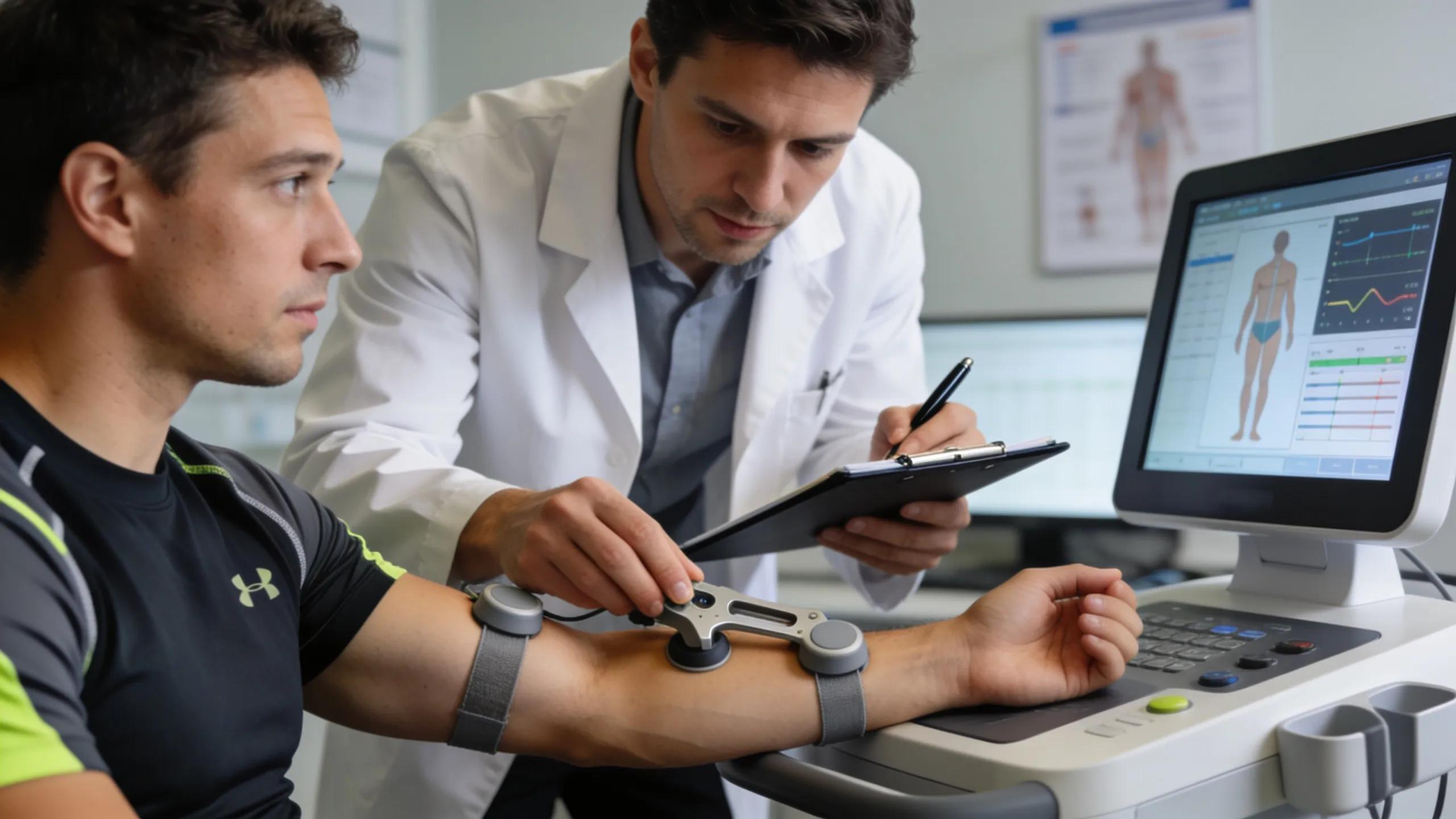
Clinical exercise assessments involve several evaluation procedures, each contributing to the overall understanding of a patient’s capabilities. These procedures include:
- Functional Movement Screening: This involves a series of movements designed to identify limitations or asymmetries in movement patterns, crucial for tailoring exercise regimens.
- Mobility Testing: Assessing the range of motion allows physiologists to pinpoint areas of stiffness or weakness, supporting targeted therapy.
- Body Composition Analysis: Utilizing tools like the Tanita BIA (Bioelectrical Impedance Analysis), practitioners measure body fat percentage, muscle mass, and water composition to inform overall health assessments.
Understanding these evaluation procedures highlights their importance in informing subsequent patient care and exercise recommendations.
How Does Functional Movement and Mobility Testing Inform Patient Care?
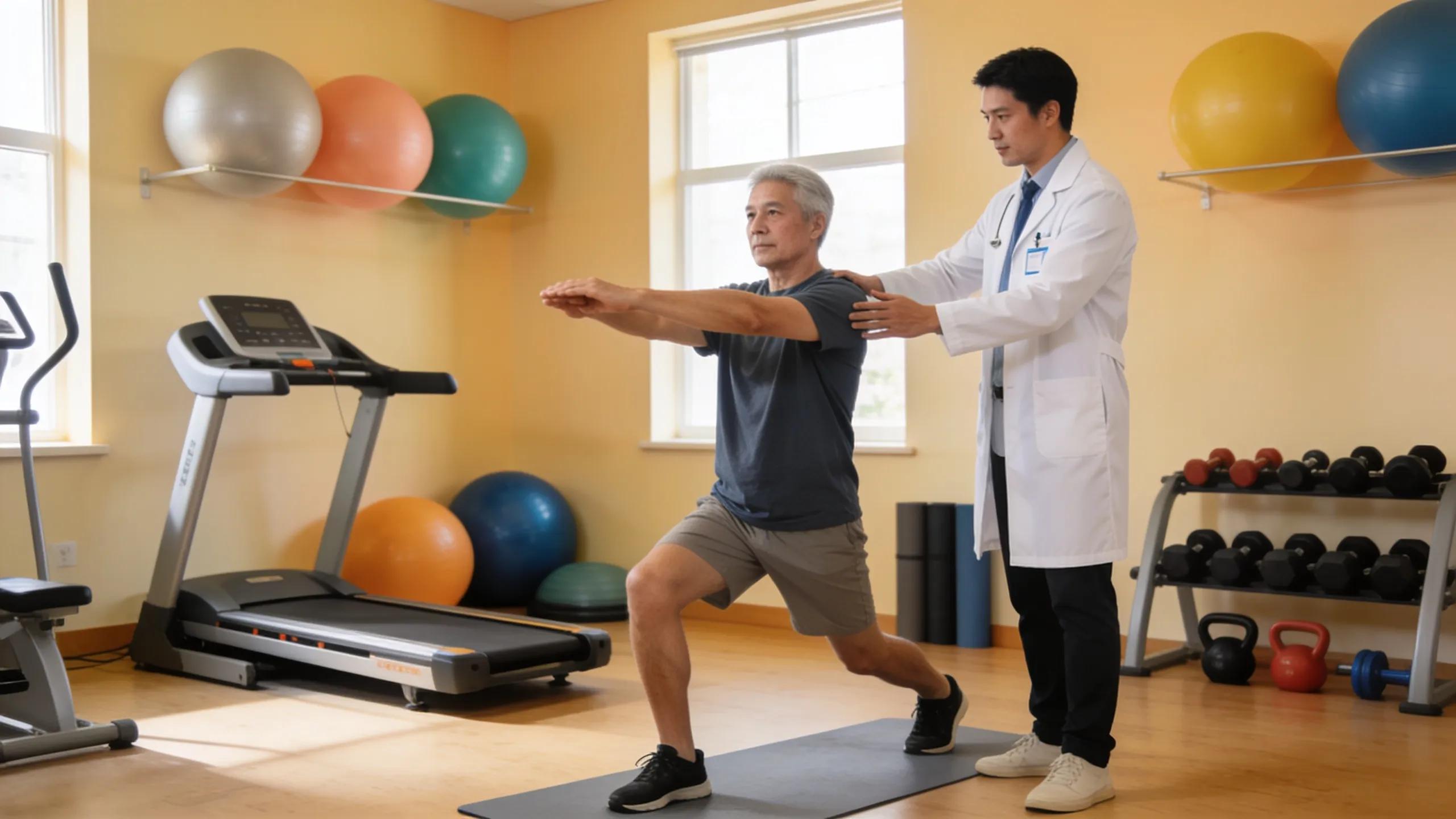
Functional movement and mobility testing play pivotal roles in ensuring safe and effective exercise programming. These tests help exercise physiologists understand how patients move in daily activities, guiding the development of personalized interventions. For instance, if a patient displays limited mobility in their hips, the exercise physiologist can integrate specific flexibility and strength exercises targeting that area.
Functional movement analysis is particularly crucial for individuals with chronic conditions like low back pain, where altered movement patterns are common.
Functional Movement Analysis for Chronic Low Back Pain
Individuals afflicted with nonspecific chronic low back pain (CLBP) exhibit altered fundamental movement patterns. However, there is a lack of validated analysis tools. The present study aimed to elucidate the measurement properties of a functional movement analysis (FMA) in patients with CLBP.
Functional movement analysis in patients with chronic nonspecific low back pain: a reliability and validity study, J Wilke, 2019
The outcomes of these testing strategies are instrumental in creating a comprehensive care plan that not only addresses current limitations but also promotes long-term health and functional independence. This article section details how targeted mobility interventions can significantly enhance a patient’s overall functional capacity.
For older adults, functional movement screening can also be a valuable tool to predict future musculoskeletal injuries and other health outcomes related to chronic diseases.
Functional Movement Screening & Health Markers in Older Adults
Prospective studies of older adults are needed to determine the utility of FMS in predicting future musculoskeletal injury and other chronic disease–related health outcomes.
Functional movement screening performance and association with key health markers in older adults, A Pavlovic, 2021
What Are the NDIS Exercise Physiology Support and Funding Processes in Altona North?
The National Disability Insurance Scheme (NDIS) offers funding to support individuals needing exercise physiology services, particularly for those with disabilities or chronic health conditions. Understanding how to access these services can empower patients to seek the support they need effectively.
Fortify Movement & Health provides guidance on how to access these services for patients eligible for NDIS funding, helping simplify the process.
Who Qualifies for NDIS Allied Health Support Including Exercise Physiology?
Qualification for NDIS allied health support, including exercise physiology, requires that individuals are registered NDIS participants. This eligibility criteria focus primarily on those with significant functional impairments or disabilities, impacting their ability to engage in standard exercise programs.
Documentation is essential for successful applications, as it helps demonstrate the necessity for specialized health interventions. Individuals interested in these support services should consult with their NDIS coordinator to ensure all requirements are met.
What Are the Step-by-Step Procedures to Access NDIS-Funded Clinical Exercise Assessment?
The steps to access NDIS-funded clinical exercise assessments include:
- Prepare Documentation: Collect all necessary medical and eligibility paperwork to support your application.
- Contact NDIS Coordinator: Work with your designated NDIS coordinator to discuss your specific needs and the types of allied health services required.
- Submit Application: Complete the NDIS funding request, including detailed information about the clinical exercise assessment.
- Follow Up: Ensure ongoing communication with NDIS representatives to track the progress of approval.
By following these steps, individuals can facilitate their access to essential exercise physiology services, enabling better health outcomes.
How Do Patients Book and Prepare for Clinical Exercise Assessment Appointments in Altona North?
Booking a clinical exercise assessment appointment is a straightforward process that begins with contacting the service provider. The team at Fortify Movement & Health is available to assist prospective patients through this process.
What Is the Booking Process for Accredited Exercise Physiologist Services?

To book an appointment for an exercise physiology assessment, individuals can:
- Call the Office: Reach out to Fortify Movement & Health at (03) 8383 3604 to discuss scheduling options.
- Provide Relevant Information: Offer details regarding health conditions and previous medical history to help tailor the assessment.
- Confirm Appointment: Once scheduled, receive confirmation and any preparatory instructions for the day of the assessment.
This approach ensures that the physiologist is prepared to address individual patient needs on the day of the assessment.
How Should Patients Prepare for Their Mobility and Functional Capacity Testing?
Preparation for mobility and functional capacity testing involves several key steps, including:
- Wear Comfortable Clothing: Selecting attire that allows for ease of movement is vital for accurate testing.
- Hydration: Staying adequately hydrated leading up to the appointment can help performance during the test.
- Documentation: Bringing any previous medical reports or assessments can provide valuable context for the exercise physiologist.
Taking these steps can help ensure that patients get the most comprehensive and accurate assessment possible, paving the way for effective intervention and support.