How Exercise Physiology Benefits Neurological Condition Management
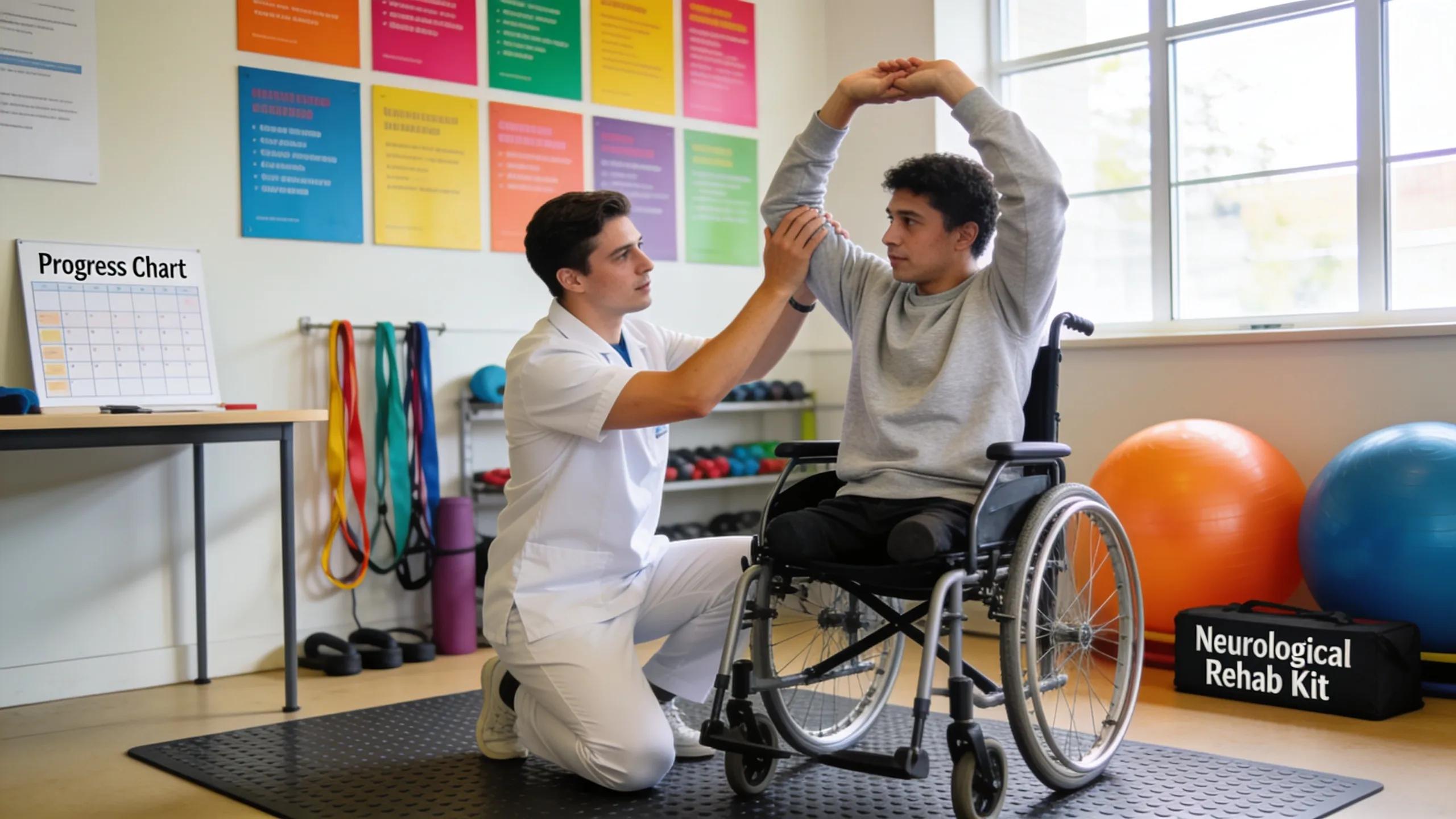
By Matt Elphick, Fortify Movement & Health
Exercise physiology plays a vital role in managing neurological conditions, enabling individuals to regain function, manage symptoms, and improve their overall quality of life. Through targeted exercise programs and rehabilitation strategies, patients can experience profound benefits such as improved mobility and enhanced cognitive functions. This article delves into the substantial advantages of exercise physiology specifically tailored for individuals with neurological concerns, addressing various conditions including stroke and Parkinson's disease. Many individuals face limitations due to chronic conditions and require effective strategies for management and recovery. Exercise physiology provides a research-backed approach to support these individuals through personalized interventions and rehabilitation programs.
We will explore the key benefits of exercise physiology in neurological rehabilitation, the specific conditions it supports, the impact of the National Disability Insurance Scheme (NDIS) on access to these services, and why choosing specialized clinics like Fortify Movement and Health can enhance patient outcomes.
What Are the Key Benefits of Exercise Physiology in Neurological Rehabilitation?
Exercise physiology offers several key benefits in the management of neurological rehabilitation, substantially aiding recovery and enhancing patients' quality of life. Personalized exercise programs are foundational in this process, allowing healthcare providers to tailor interventions that meet the unique needs and limitations of each individual.
- Improvement in Physical Function: Customized exercise routines can lead to increased strength, balance, and coordination, essential for daily activities.
- Enhanced Neuroplasticity: Engaging in physical activity promotes neuroplasticity, enabling the brain to adapt and form new neural connections, particularly beneficial after injuries like strokes.
- Evidence-Based Outcomes: Research substantiates that exercise interventions effectively reduce the severity of symptoms associated with various neurological conditions, aiding in recovery.
For those seeking support in navigating their condition, Fortify Movement and Health specializes in exercise physiology services, providing clear pathways to book appointments and explore funding options tailored for NDIS participants.
How Does Exercise Physiology Improve Mobility and Neuroplasticity in Conditions Like Stroke and Parkinson’s Disease?
Exercise physiology significantly enhances mobility and neuroplasticity, particularly in conditions such as stroke and Parkinson’s disease. By incorporating structured, carefully monitored exercises, patients often experience an improvement in functional mobility and overall physical capabilities.
Studies indicate that deliberate and targeted movements engage specific muscle groups, which can aid in regaining motor functions. This process facilitates neuroplasticity—the brain’s ability to reorganize and form new neural pathways, essential for recovery. As individuals participate in tailored exercises, many report improved balance and coordination, allowing them to navigate environments more efficiently, fostering independence and confidence.
Which Chronic Pain Management Strategies Are Supported by Exercise Physiology for Neurological Patients?

Chronic pain management for patients with neurological conditions is crucial, and exercise physiology provides various effective strategies. Some of the approaches include:
- Gentle Movement Programs: Focused on gradual increases in activity levels to reduce pain and stiffness.
- Strength Training: Building muscle can help alleviate the burden on joints and surrounding tissues.
- Flexibility Exercises: Stretching and range-of-motion activities improve mobility and reduce pain episodes.
These strategies not only help manage symptoms but also contribute to overall physical health. Patient feedback often highlights the effectiveness of these tailored exercise programs, asserting that they experience significant reductions in pain and increased comfort during daily activities.
Which Neurological Conditions Are Effectively Supported by Exercise Physiology Interventions?
Exercise physiology interventions are beneficial for a variety of neurological conditions, ensuring that each patient's specific needs are met. Key conditions supported include:
- Stroke: Patients often require customized rehabilitation to regain lost functions and improve mobility.
- Parkinson's Disease: Regular physical activity is essential in managing symptoms and maintaining quality of life.
- Multiple Sclerosis: Tailored exercise programs help improve fatigue management and coordination.
Understanding the varied rehabilitation needs for conditions like Multiple Sclerosis, Stroke, and Parkinson's Disease is critical for effective intervention planning.
What Are the Typical Symptoms and Rehabilitation Needs for Multiple Sclerosis, Stroke, and Parkinson’s Disease?
The symptoms associated with these conditions can vary widely, necessitating a comprehensive understanding of each patient's unique experiences. For example:
- Multiple Sclerosis: Symptoms include fatigue, balance issues, and difficulties with movement, requiring adaptive rehabilitation programs focused on both physical and cognitive function.
- Stroke: Often results in sudden impairment of movement; patients need immediate rehabilitation to address mobility, strength, and speech.
- Parkinson's Disease: Symptoms such as tremors and rigidity demand ongoing physical activity as an integral component of management and can aid in better functional outcomes.
In rehabilitation, a combination of strength, flexibility, and balance training is tailored to individual capacities, promoting gradual improvements and enhancing the quality of daily living.
How Are Exercise Protocols Tailored to Disability Levels in Neurological Condition Management?
In exercise physiology, protocols are meticulously tailored to match the disability levels of patients dealing with neurological conditions. This personalized approach begins with thorough assessments that consider:
- Current Activity Levels: Evaluating what patients can safely perform.
- Physical Capabilities: Understanding mobility and strength limitations.
- Individual Goals: Establishing realistic targets that address both rehabilitation and personal interests.
As a result, exercise routines can range from passive exercises to more active regimens, designed to progressively challenge individuals based on their progress while ensuring safety and efficacy.
How Does NDIS Support Facilitate Access to Neurological Rehabilitation Services Through Exercise Physiology?

The National Disability Insurance Scheme (NDIS) plays a crucial role in enhancing access to neurological rehabilitation services through exercise physiology. It provides funding and support for individuals requiring various services, ensuring they can receive tailored interventions that meet their needs.
What Are the Eligibility Criteria and Funding Options for NDIS Neurological Support Services?
To qualify for NDIS support, individuals must demonstrate a permanent and significant disability impacting their daily lives. The funding options can cover a variety of services:
- Therapeutic Approaches: Including physiotherapy and exercise physiology.
- Equipment and Assistive Technology: Funding may provide access to tools that enhance rehabilitation efforts.
- Personalized Programs: Tailored exercise plans can be included as part of an individual’s NDIS funding package.
Individuals are encouraged to engage with providers like Fortify Movement and Health, who offer guidance in navigating eligibility and exploring the funding available.
How Can Patients Navigate Booking and Consultation Processes for NDIS-Backed Neurological Exercise Physiology?
Navigating the booking and consultation processes for NDIS-backed services can seem overwhelming. However, clinics such as Fortify Movement and Health simplify this journey. Patients are guided through a step-by-step process that includes:
- Initial Assessment: Identifying individual needs and discussing the most appropriate interventions.
- Creating a Plan: Developing a tailored exercise program that fits the patient's specific goals.
- Booking Appointments: Simplifying the process for ongoing consultations and regular progress checks.
This structured approach ensures patients are supported every step of the way, making the overall experience beneficial and effective.
Why Choose Altona North Neurological Rehabilitation Clinics for Exercise Physiology and Disability Support?
Choosing the right rehabilitation clinic is crucial for effective management and recovery. Altona North clinics, such as Fortify Movement and Health, stand out due to their specialized offering for neurological rehabilitation. Their unique approach not only addresses medical needs but also enhances overall well-being.
What Specialized Neurological Rehabilitation Services Are Offered at Altona North Clinics?

Altona North clinics provide a variety of specialized services, including:
- Individualized Exercise Programs: Custom-designed sessions based on comprehensive assessments.
- Neurological Rehabilitation Support: Tailored strategies that focus on a wide range of conditions.
- Comprehensive Assessments: Initial evaluations to create a personalized care plan.
Through these services, patients not only see improvements in their neurological conditions but also enjoy enhanced wellbeing overall.
How Do Patient Outcomes and Case Studies Demonstrate Effectiveness of Local Neurological Exercise Physiology?
Patient outcomes in Altona North clinics reflect the effectiveness of exercise physiology interventions. Numerous case studies illustrate successful rehabilitation, highlighting:
- Increased Mobility: Patients report improved movement and independence.
- Enhanced Quality of Life: Many describe a significant boost in daily activities.
- Positive Feedback: Patient testimonials emphasize satisfaction with personalized care plans.
This combination of specialized support and focused strategies ensures that individuals receive care tailored to their unique needs, demonstrating the vital role of exercise physiology in managing neurological conditions.