Dyslipidaemia & Exercise
Cholesterol & Blood Fats — What Exercise Can Do
Dyslipidaemia — abnormal levels of cholesterol or other blood fats — is one of the most common and modifiable cardiovascular risk factors. Whether it's elevated LDL, low HDL, or high triglycerides, the good news is that regular, well-structured exercise can meaningfully shift your lipid profile in the right direction. Here's what the evidence says, and how Fortify Movement & Health can help.
Download Factsheet (PDF)
Dyslipidaemia & Exercise — Fortify Movement & Health clinical resource
How Exercise Helps
Exercise is one of the most powerful non-pharmacological tools for managing blood lipids. Here's how it works across the three key markers.
HDL Elevation
Raise your 'good' cholesterol
Aerobic exercise consistently raises HDL (high-density lipoprotein) cholesterol — the type that helps carry excess cholesterol away from artery walls. Even moderate-intensity activities like brisk walking, cycling, or swimming performed regularly can increase HDL by 5–10%, which is clinically meaningful for cardiovascular protection.
Triglyceride Reduction
Lower blood fat levels
Exercise is particularly effective at reducing elevated triglycerides. Both aerobic and resistance training prompt muscles to take up fatty acids for fuel, directly lowering circulating triglyceride levels. Higher-intensity aerobic sessions (such as interval training) show especially strong reductions, often 10–20% with consistent training.
LDL Optimisation
Improve cholesterol particle size
While exercise may not dramatically lower total LDL (low-density lipoprotein) in isolation, it shifts LDL particles toward larger, less atherogenic forms — a pattern considered less harmful to artery walls. Combined with aerobic and resistance training, this contributes to an improved overall cardiovascular risk profile.
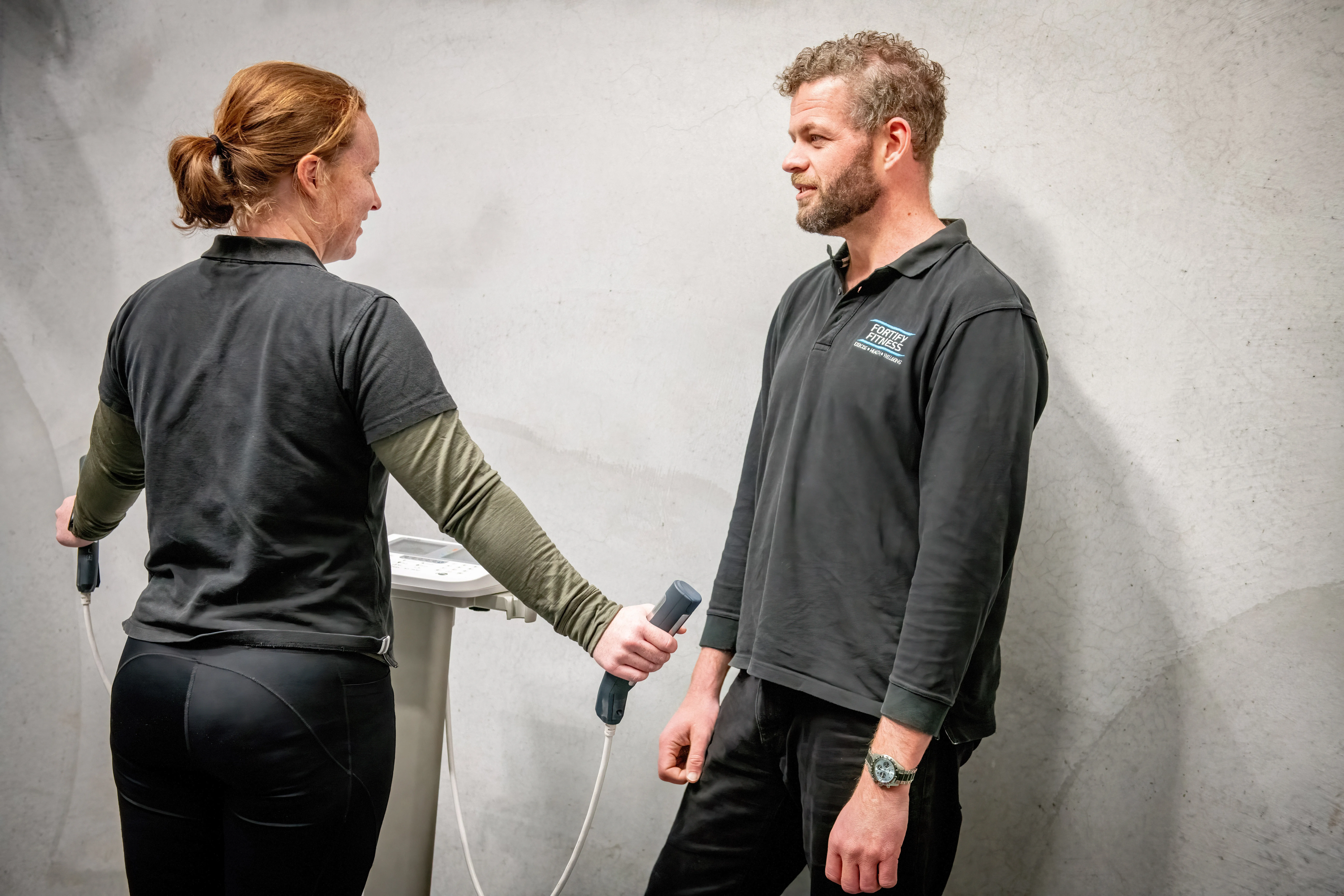
The compound effect of exercise on lipids
No single workout will transform your lipid panel overnight — but a consistent, progressive exercise program prescribed by an Accredited Exercise Physiologist (AEP) can produce measurable improvements within 8–12 weeks. The combination of aerobic and resistance training generally produces better outcomes than either modality alone.
What to Aim For
Evidence-based exercise targets for improving your lipid profile — adapted to your individual capacity by your exercise physiologist.
Aerobic Exercise
Cardio-based movement
| Frequency | 3–5 days per week |
| Duration | 30–60 minutes per session |
| Intensity | Moderate (RPE 12–14) to vigorous (RPE 15–17); progress gradually |
| Mode | Walking, cycling, swimming, rowing, dancing |
| Lipid target | ↑ HDL, ↓ Triglycerides, ↑ LDL particle size |
Resistance Training
Strength-based movement
| Frequency | 2–3 days per week (non-consecutive) |
| Duration | 20–45 minutes per session |
| Intensity | Moderate load — 8–15 repetitions per set, 2–3 sets per exercise |
| Mode | Free weights, machines, resistance bands, bodyweight |
| Lipid target | ↓ Triglycerides, improved metabolic rate, body composition |
These are general guidelines based on current evidence. Individual programming varies based on your fitness level, co-existing conditions, and lipid targets. An AEP at Fortify will tailor your prescription accordingly.
Staying Safe
Exercise is remarkably safe for people with dyslipidaemia — but a few key considerations help make it both safer and more effective.
Medication Interactions
Statins (the most commonly prescribed cholesterol-lowering medication) can sometimes cause muscle soreness or weakness, particularly with vigorous exercise. Your exercise physiologist will account for your medications when designing your program — starting conservatively and monitoring how your body responds. Always let your AEP know about any new medications or side effects.
Progressive Loading
Jumping straight into high-intensity exercise without building a base can raise injury risk and may not produce the best lipid outcomes. A progressive approach — starting at moderate intensity and steadily increasing volume and effort over weeks — is both safer and more effective. Your AEP will guide you through this process with structured programming and regular reassessment.
Cardiac Risk Screening
Dyslipidaemia often co-exists with other cardiovascular risk factors such as hypertension, diabetes, or obesity. Before commencing a moderate-to-vigorous exercise program, appropriate cardiovascular screening is essential. Fortify's exercise physiologists are trained in pre-exercise screening and work collaboratively with your GP or cardiologist to ensure exercise is safe and appropriate for your individual risk profile.
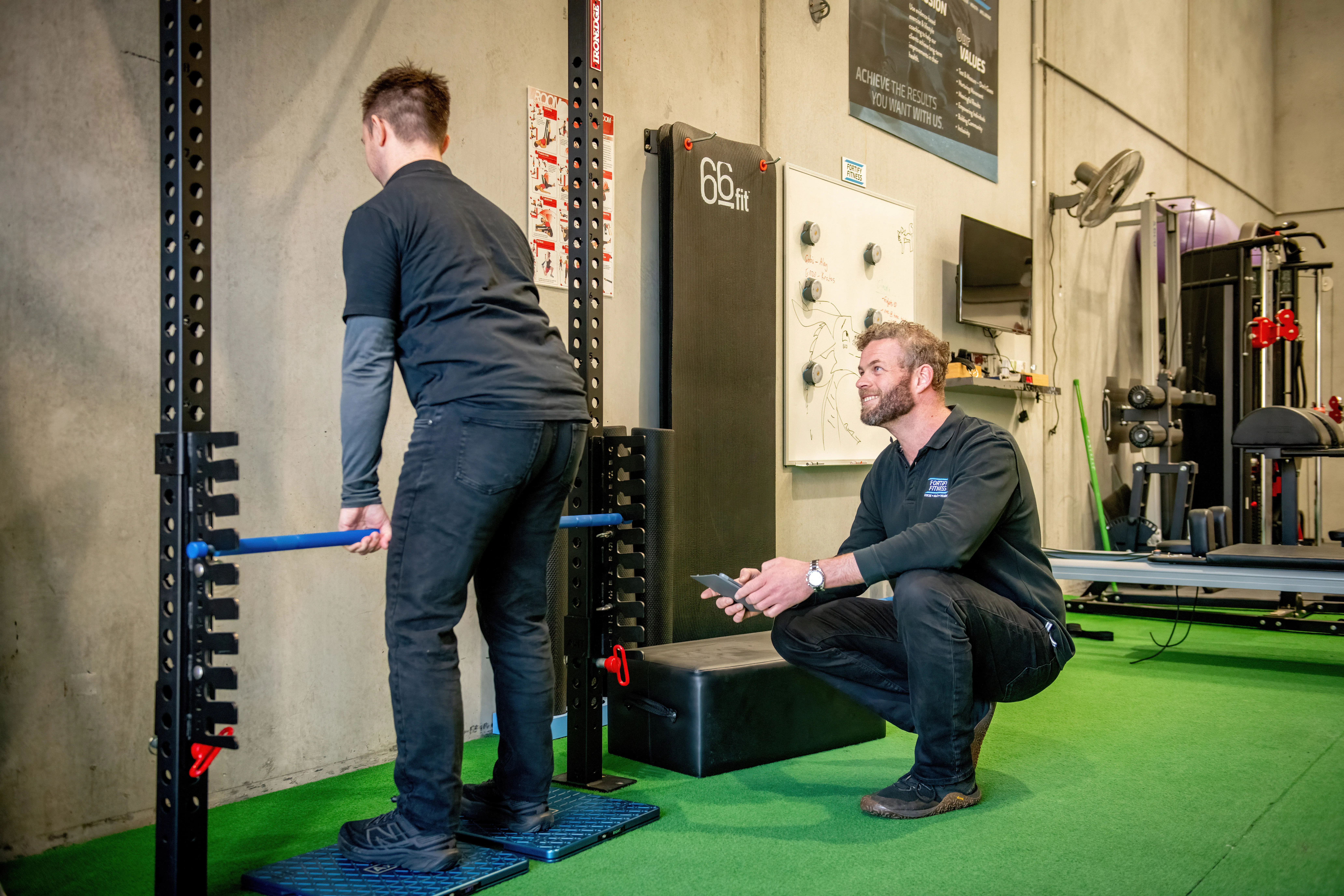
Working with other healthcare providers
Fortify Movement & Health works collaboratively with GPs, cardiologists, and dietitians. We can receive referrals via a Medicare Chronic Disease Management (CDM) plan, making evidence-based exercise physiology accessible and often partially Medicare-rebated for eligible clients.
Ready to Get Started?
Speak with an Accredited Exercise Physiologist at Fortify Movement & Health. We'll assess your lipid profile, health history, and fitness level to build a program that works for you.
Sources & References
This page is for general information only and does not constitute medical advice. Always consult a qualified health professional before commencing an exercise program.
- Kelley, G. A., & Kelley, K. S. (2012). Effects of aerobic exercise on non-HDL-C in adults: A meta-analysis of randomized controlled trials. Progress in Cardiovascular Nursing, 27(4), 167–175.
- Mann, S., Beedie, C., & Jimenez, A. (2014). Differential effects of aerobic exercise, resistance training and combined exercise modalities on cholesterol and the lipid profile: Review, synthesis and recommendations. Sports Medicine, 44(2), 211–221.
- Exercise & Sports Science Australia (ESSA). (2020). Clinical exercise practice standards. ESSA Position Statement.
- National Heart Foundation of Australia. (2023). Evidence-based guidelines for cardiovascular disease prevention. Heart Foundation Australia.
- Cornelissen, V. A., & Smart, N. A. (2013). Exercise training for blood pressure: A systematic review and meta-analysis. Journal of the American Heart Association, 2(1), e004473.
Content reviewed by Accredited Exercise Physiologists at Fortify Movement & Health, Altona North VIC. Last updated 2025.