Fatty Liver Disease (MAFLD) & Exercise
Metabolic-associated fatty liver disease (MAFLD) is one of the most common liver conditions in Australia, affecting roughly one in three adults. The good news? Structured exercise is one of the most powerful tools available to reduce liver fat, improve metabolic health, and slow disease progression — often without medication.
Exercise physiologists at Fortify Movement & Health design evidence-based movement programmes specifically for people living with MAFLD. This resource outlines how exercise helps, what to aim for, and how to stay safe along the way.
How Exercise Helps
Exercise acts as medicine for the liver. Here's what the evidence says about the three key mechanisms at play.
Liver Fat Clearance
Aerobic exercise increases fat oxidation and reduces hepatic triglyceride content. Studies consistently show that even modest increases in physical activity — as little as 150 minutes per week of moderate-intensity aerobic exercise — can reduce liver fat by 20–30% over 8–12 weeks, independent of weight loss.
Fibrosis Prevention
Chronic liver inflammation can progress to fibrosis and, eventually, cirrhosis. Resistance training reduces inflammatory cytokines (TNF-α, IL-6) and oxidative stress markers associated with hepatic stellate cell activation — helping to slow or halt fibrotic remodelling when started early.
Metabolic Improvement
MAFLD rarely travels alone. It is closely linked to insulin resistance, type 2 diabetes, dyslipidaemia, and central obesity. Exercise improves insulin sensitivity, lowers fasting blood glucose, raises HDL cholesterol, and reduces visceral adipose tissue — directly targeting the metabolic drivers that feed ongoing liver damage.
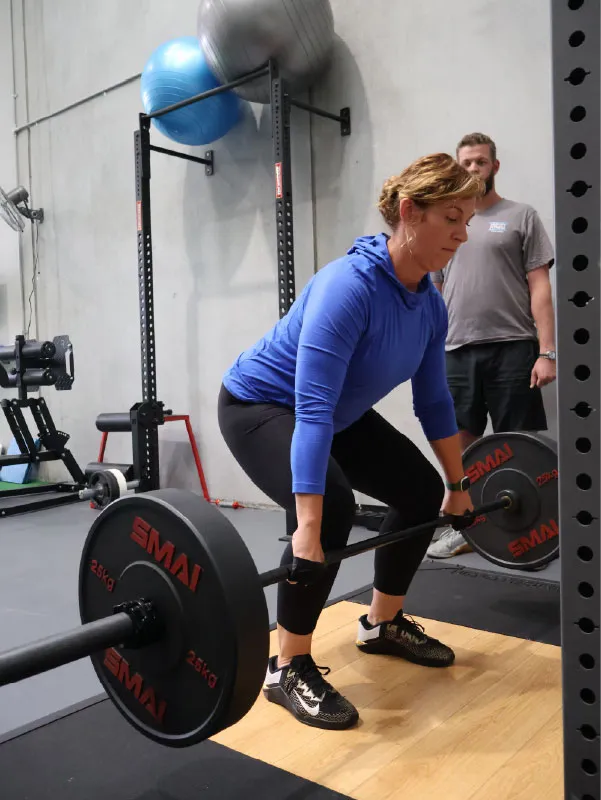
What to Aim For
Based on current ACSM and Liver Foundation guidelines for MAFLD management.
| Exercise Type | Frequency | Duration | Intensity | Notes |
|---|---|---|---|---|
| Aerobic (e.g. walking, cycling, swimming) | 3–5 days/week | 30–60 min/session | Moderate (RPE 4–6/10) | Achieves greatest liver-fat reduction; can be broken into 10-min bouts. |
| Resistance (e.g. weights, bands, machines) | 2–3 days/week | 45–60 min/session | Moderate–vigorous (8–12 reps to near-fatigue) | Builds lean mass, improves insulin sensitivity; essential complement to aerobic work. |
| Combined (aerobic + resistance) | 4–5 days/week | 45–75 min/session | Mixed | Optimal for metabolic improvement and body composition change. |
Aerobic (e.g. walking, cycling, swimming)
- Frequency
- 3–5 days/week
- Duration
- 30–60 min/session
- Intensity
- Moderate (RPE 4–6/10)
Achieves greatest liver-fat reduction; can be broken into 10-min bouts.
Resistance (e.g. weights, bands, machines)
- Frequency
- 2–3 days/week
- Duration
- 45–60 min/session
- Intensity
- Moderate–vigorous (8–12 reps to near-fatigue)
Builds lean mass, improves insulin sensitivity; essential complement to aerobic work.
Combined (aerobic + resistance)
- Frequency
- 4–5 days/week
- Duration
- 45–75 min/session
- Intensity
- Mixed
Optimal for metabolic improvement and body composition change.
Weight-Loss Synergy
Combining exercise with a 5–10% reduction in body weight produces the greatest improvements in liver histology. Even without weight loss, exercise alone significantly reduces hepatic fat and improves liver enzymes — so getting moving is always worthwhile, regardless of the number on the scales.
Staying Safe
Exercise is safe and beneficial for the vast majority of people with MAFLD — but a few key considerations help you get the most out of every session.
Exertion Limits
For most people with MAFLD, moderate-intensity exercise — where conversation is possible but breathing is noticeably heavier (RPE 4–6 out of 10) — is both safe and effective. Those with advanced fibrosis or cirrhosis should work with an Accredited Exercise Physiologist (AEP) to set appropriate upper limits, as high-intensity exertion may not be appropriate until disease is stabilised.
Liver Function Monitoring
ALT, AST, and GGT levels provide a simple window into liver health. It's recommended to review these every 3–6 months while beginning an exercise programme. A temporary rise in liver enzymes after starting resistance training is normal and typically resolves within a few weeks — it is not a reason to stop exercising. Ongoing or worsening elevations warrant medical review.
Disease Progression Awareness
MAFLD can progress silently through steatosis → steatohepatitis (MASH) → fibrosis → cirrhosis. Symptoms such as persistent fatigue, right upper-quadrant discomfort, jaundice, or unexplained weight loss should prompt prompt medical review before continuing or escalating exercise. An AEP works closely with your GP or hepatologist to ensure exercise prescription remains appropriate at every stage.

Clinical Factsheet
Fatty Liver Disease (MAFLD) & Exercise
One-page A4 branded PDF — ready to share with your GP or care team.
Ready to Get Started?
The accredited exercise physiologists at Fortify Movement & Health can create a personalised exercise programme tailored to your MAFLD stage, fitness level, and goals. Bulk-billed sessions are available with a GP referral via a Chronic Disease Management plan.
Sources & References
- Hashida R, et al. (2017). Aerobic vs resistance exercise in non-alcoholic fatty liver disease: a systematic review. *Journal of Hepatology*, 66(1), 142–152.
- Keating SE, et al. (2012). Effect of aerobic exercise training dose on liver fat and visceral adiposity. *Journal of Hepatology*, 56(1), 154–163.
- Schwenger KJP & Allard JP. (2014). Clinical approaches to non-alcoholic fatty liver disease. *World Journal of Gastroenterology*, 20(7), 1712–1723.
- American College of Sports Medicine (ACSM). (2022). *ACSM's Guidelines for Exercise Testing and Prescription*, 11th edition.
- Liver Foundation Australia. (2023). *NAFLD/MAFLD Patient Resource Guide*. Retrieved from liverfoundation.org.au.
- Vilar-Gomez E, et al. (2015). Weight loss through lifestyle modification significantly reduces features of nonalcoholic steatohepatitis. *Gastroenterology*, 149(2), 367–378.
Disclaimer: This resource is intended for general educational purposes only and does not constitute medical advice. Always consult your GP, hepatologist, or an Accredited Exercise Physiologist before commencing or modifying an exercise programme.