Lung Conditions & Exercise
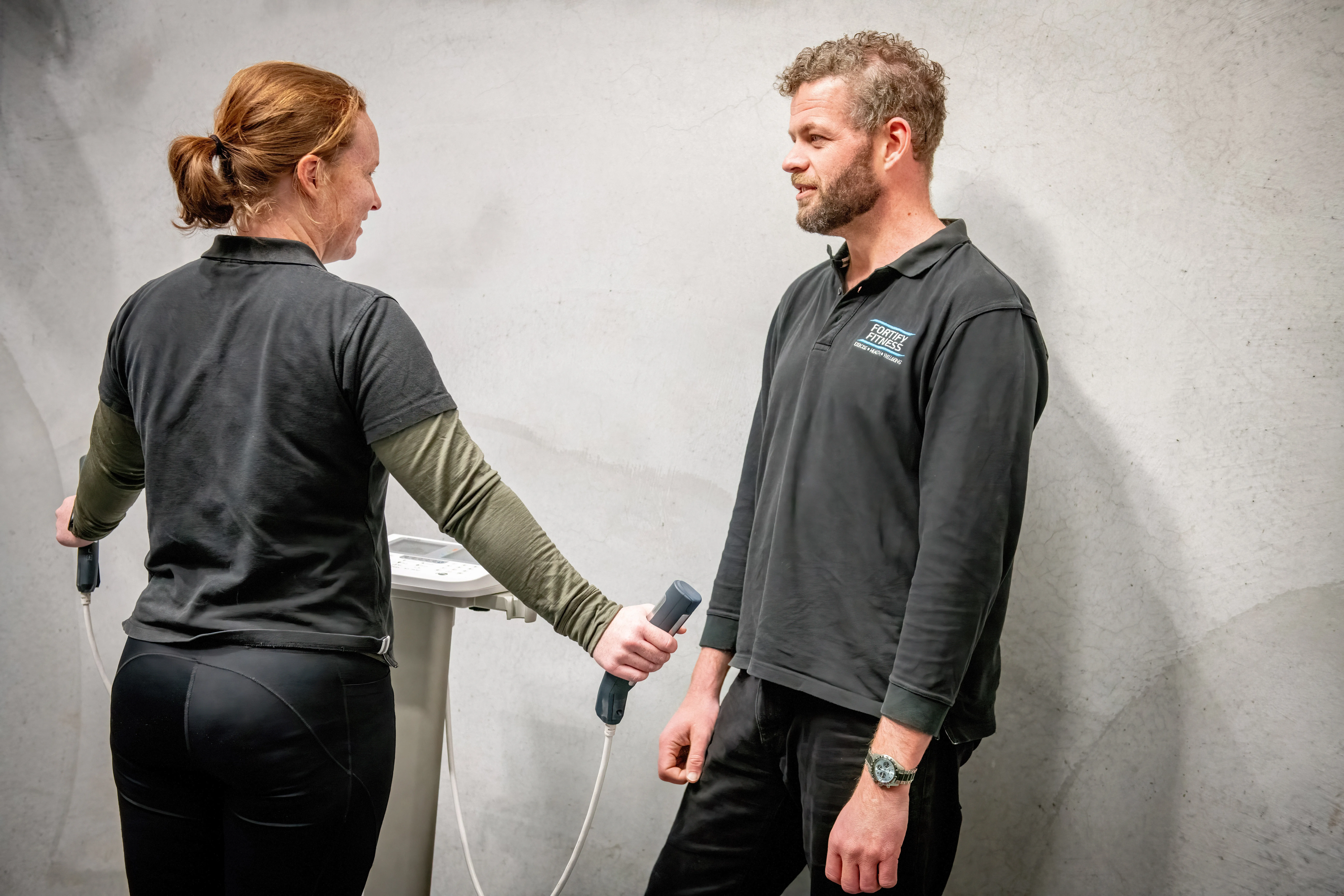
Living with a lung condition — whether that's COPD, asthma, interstitial lung disease (ILD), or cystic fibrosis — can make even light activity feel daunting. But the evidence is clear: structured, supervised exercise is one of the most powerful tools available to improve respiratory health, reduce symptoms, and help people breathe easier every day. At Fortify Movement & Health, the team works alongside people at every stage of their respiratory journey to build confidence, capacity, and quality of life through exercise physiology.
How Exercise Helps
Exercise doesn't just maintain physical health — for people managing lung conditions, it actively changes the course of the disease. Here's what the evidence shows.
Improved Lung Function
Regular aerobic and breathing exercise helps strengthen the respiratory muscles — the diaphragm, intercostals, and accessory muscles. Over time, this means each breath is more efficient, improving oxygen delivery and reducing the work of breathing.
Greater Dyspnea Tolerance
Breathlessness — or dyspnea — is often the symptom that limits activity most. Graded exercise exposure teaches the body and nervous system that breathlessness doesn't always signal danger, gradually increasing tolerance and enabling people to do more with less distress.
Fewer Exacerbations
Consistent exercise supports immune function, reduces airway inflammation, and keeps the respiratory system more resilient. Research consistently shows that people with conditions like COPD who participate in pulmonary rehabilitation experience fewer and less severe acute exacerbations.
Better Quality of Life
Beyond the lungs, exercise improves cardiovascular fitness, muscle strength, mood, and sleep quality — all areas that lung conditions can negatively affect. People who exercise regularly report greater energy, confidence, and independence in daily activities.
What to Aim For
Exercise parameters for respiratory conditions need to be calibrated to each person's lung capacity, oxygen levels, and symptom profile. The table below provides a clinical framework — individual programs will be adjusted based on assessment findings.
| Domain | Type | Intensity | Frequency | Duration | Clinical Notes |
|---|---|---|---|---|---|
| Aerobic Exercise | Walking, cycling, swimming, aqua aerobics | Moderate (3–4/10 on Borg dyspnea scale; able to speak in short sentences) | 3–5 days per week | 20–45 min (can be broken into shorter bouts initially) | Increase duration before intensity; use interval formats if sustained exercise is not tolerated. |
| Resistance Training | Bodyweight, bands, light weights, machine-based | Low-moderate (RPE 11–14/20); avoid Valsalva manoeuvre | 2–3 days per week | 2–3 sets of 8–12 repetitions per exercise | Focus on breathing coordination — exhale on exertion. Avoid breath-holding. |
| Breathing Coordination | Pursed-lip breathing, diaphragmatic breathing, inspiratory muscle training | Controlled; guided by a clinician | Daily (integrated into all activity) | 5–10 min dedicated practice daily | Especially useful for COPD and ILD. Reduces the sensation of dyspnea during activity. |
| Activity Pacing | Structured rest-activity cycles for respiratory capacity | Variable — guided by oxygen saturation and symptom response | Applied across all daily activities | Ongoing strategy | For cystic fibrosis and severe ILD, pacing is critical to prevent overload and ensure safe participation. |
Aerobic Exercise
Walking, cycling, swimming, aqua aerobics
Moderate (3–4/10 on Borg dyspnea scale; able to speak in short sentences)
3–5 days per week
20–45 min (can be broken into shorter bouts initially)
Increase duration before intensity; use interval formats if sustained exercise is not tolerated.
Resistance Training
Bodyweight, bands, light weights, machine-based
Low-moderate (RPE 11–14/20); avoid Valsalva manoeuvre
2–3 days per week
2–3 sets of 8–12 repetitions per exercise
Focus on breathing coordination — exhale on exertion. Avoid breath-holding.
Breathing Coordination
Pursed-lip breathing, diaphragmatic breathing, inspiratory muscle training
Controlled; guided by a clinician
Daily (integrated into all activity)
5–10 min dedicated practice daily
Especially useful for COPD and ILD. Reduces the sensation of dyspnea during activity.
Activity Pacing
Structured rest-activity cycles for respiratory capacity
Variable — guided by oxygen saturation and symptom response
Applied across all daily activities
Ongoing strategy
For cystic fibrosis and severe ILD, pacing is critical to prevent overload and ensure safe participation.
These are general clinical guidelines. An accredited exercise physiologist will tailor intensity, duration, and modality to each individual's assessment results, oxygen saturation data, and medical history. Always begin exercise under clinical supervision.
Staying Safe
Exercise is safe — and strongly recommended — for most people with lung conditions when it's guided correctly. The key is knowing what to watch for and having the right strategies in place before getting started.
Oxygen Saturation Monitoring
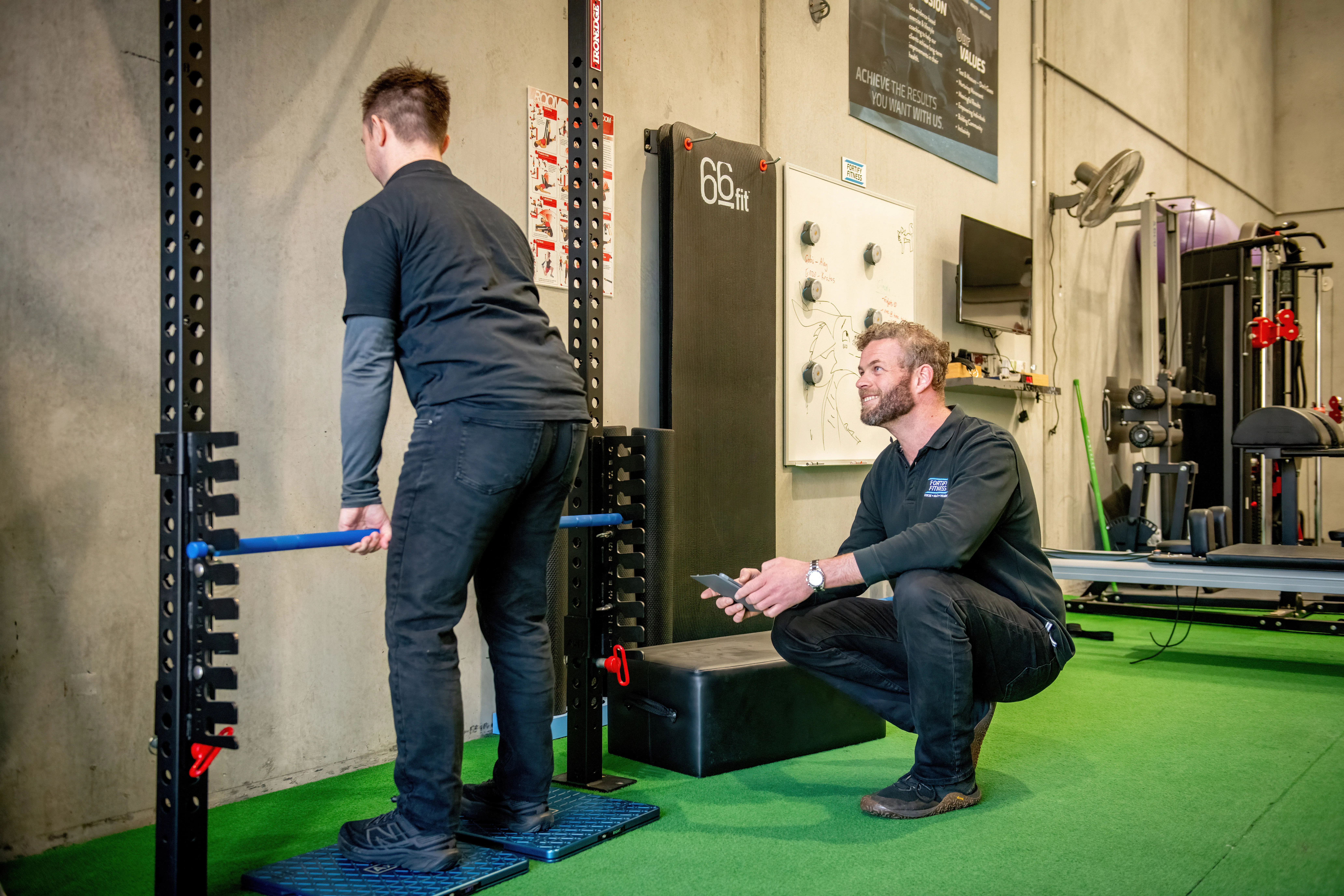
Pulse oximetry should be used during exercise for anyone with moderate-to-severe lung disease. SpO₂ should remain above 88% during activity. If readings drop below this threshold, intensity should be reduced or exercise paused — supplemental oxygen may be required for some participants.
Bronchospasm Prevention
For people with asthma, exercise-induced bronchospasm is a real risk. Strategies include adequate warm-up (10–15 min), breathing through the nose to warm and humidify air, using prescribed pre-exercise bronchodilators as directed by a GP or respiratory physician, and avoiding high-intensity cold-weather exercise without preparation.
Recognising an Exacerbation
Knowing the signs of a flare is critical. Increased breathlessness beyond usual baseline, change in sputum colour or volume, new or worsening wheeze, or chest tightness all warrant stopping exercise and seeking medical review. People with COPD or cystic fibrosis should have a clear action plan from their respiratory team.
Breathing Techniques During Exercise
Pursed-lip breathing (breathe in through the nose, breathe out slowly through pursed lips) helps reduce respiratory rate and improve gas exchange during activity. Coordinating breathing with effort — exhaling on exertion — reduces the Valsalva effect and minimises breathlessness perception during resistance exercise.
Download This Resource
Save or print this page as a handy clinical reference — ideal for sharing with treating teams, carers, or respiratory physicians.
Book an Appointment
Ready to get started? The Fortify Movement & Health team would love to hear from you. Reach out by phone or book online — no referral needed for many appointments.
Altona North clinic · Medicare, NDIS & DVA welcome
Sources
- Global Initiative for Chronic Obstructive Lung Disease (GOLD). (2023). GOLD 2023 Report: Global Strategy for Prevention, Diagnosis and Management of COPD.
- Rochester CL, et al. (2023). An Official ATS/ERS Policy Statement: Enhancing Implementation, Use, and Delivery of Pulmonary Rehabilitation. American Journal of Respiratory and Critical Care Medicine.
- Spruit MA, et al. (2013). An Official American Thoracic Society/European Respiratory Society Statement: Key Concepts and Advances in Pulmonary Rehabilitation. AJRCCM, 188(8), e13–e64.
- Ries AL, et al. (2007). Pulmonary Rehabilitation: Joint ACCP/AACVPR Evidence-Based Clinical Practice Guidelines. Chest, 131(5 Suppl), 4S–42S.
- Global Initiative for Asthma (GINA). (2023). GINA Report: Global Strategy for Asthma Management and Prevention.
- Dowman L, et al. (2021). Pulmonary rehabilitation for interstitial lung disease. Cochrane Database of Systematic Reviews, 2.
- Radtke T, et al. (2015). Physical exercise training for cystic fibrosis. Cochrane Database of Systematic Reviews, 6.
- Exercise & Sports Science Australia (ESSA). (2019). Position Statement: Exercise Is Medicine in Australia.
Disclaimer: This resource is intended for general information only and does not constitute medical advice. Exercise recommendations should always be tailored to the individual by an accredited exercise physiologist or treating healthcare provider. Fortify Movement & Health, Altona North VIC 3025 · info@fortifymovement.com.au · (03) 8383 3604