Rheumatoid Arthritis & Exercise
Rheumatoid Arthritis (RA) is a chronic autoimmune condition where the immune system mistakenly attacks the joints, causing persistent inflammation, pain, and progressive joint damage. Beyond the joints, RA significantly elevates cardiovascular risk — making targeted, clinically guided exercise one of the most powerful tools in managing the disease and protecting long-term health.
How Exercise Helps
Far from being harmful, evidence-based exercise is one of the most effective non-pharmacological treatments for RA. Here's what it can do for you.
Reduces Inflammatory Markers
Regular aerobic and resistance exercise has been shown to lower circulating levels of C-reactive protein (CRP) and pro-inflammatory cytokines, directly targeting the inflammatory drivers behind RA.
Preserves Joint Structure
Muscle-strengthening exercise reduces mechanical load on vulnerable joints, slowing cartilage degradation and maintaining the structural integrity of affected areas.
Reduces Cardiovascular Risk
People with RA face up to double the cardiovascular risk of the general population. Structured aerobic exercise improves lipid profiles, blood pressure, and vascular function — all key risk factors.
Combats Fatigue
RA-related fatigue is driven by inflammation, deconditioning, and poor sleep. Consistent, graduated exercise improves energy levels, sleep quality, and overall vitality.
Improves Functional Mobility
Targeted flexibility and strength work supports range of motion, balance, and daily function — helping people with RA stay independent and active in the activities they enjoy.
What to Aim For
Exercise targets for RA should be adjusted based on disease activity. The table below provides a practical framework across different phases.
| Exercise Type | Active Disease | During a Flare | In Remission |
|---|---|---|---|
| Aerobic Exercise | 150 min/week moderate intensity (e.g. walking, cycling, swimming) in bouts of ≥10 min | Reduce to gentle movement (e.g. light walking, hydrotherapy) during flares; maintain consistency | Progress towards 200–300 min/week; include moderate-to-vigorous activities |
| Resistance Training | 2–3 sessions/week; focus on major muscle groups; begin with lower loads and higher reps | Avoid high-load resistance on acutely inflamed joints; isometric or pool-based exercises preferred | Progressive overload with guided increases in load; target all major muscle groups |
| Flexibility & Range of Motion | Daily gentle stretching and joint mobility work; emphasise affected joints | Continue gentle ROM exercises within a pain-free range to prevent stiffness | Broaden flexibility work; incorporate yoga or Pilates to support joint health |
| Balance & Coordination | 2–3 sessions/week; reduce fall risk and improve proprioception | Maintain balance work in seated or supported positions | Progress to dynamic balance activities; incorporate functional movements |
Aerobic Exercise
Active Disease
150 min/week moderate intensity (e.g. walking, cycling, swimming) in bouts of ≥10 min
During a Flare
Reduce to gentle movement (e.g. light walking, hydrotherapy) during flares; maintain consistency
In Remission
Progress towards 200–300 min/week; include moderate-to-vigorous activities
Resistance Training
Active Disease
2–3 sessions/week; focus on major muscle groups; begin with lower loads and higher reps
During a Flare
Avoid high-load resistance on acutely inflamed joints; isometric or pool-based exercises preferred
In Remission
Progressive overload with guided increases in load; target all major muscle groups
Flexibility & Range of Motion
Active Disease
Daily gentle stretching and joint mobility work; emphasise affected joints
During a Flare
Continue gentle ROM exercises within a pain-free range to prevent stiffness
In Remission
Broaden flexibility work; incorporate yoga or Pilates to support joint health
Balance & Coordination
Active Disease
2–3 sessions/week; reduce fall risk and improve proprioception
During a Flare
Maintain balance work in seated or supported positions
In Remission
Progress to dynamic balance activities; incorporate functional movements
* Targets are a general guide only. An accredited exercise physiologist will tailor programming to your current disease activity, medications, and functional capacity.
Staying Safe
Exercise with RA is safe and beneficial when it's properly prescribed. The key is having an accredited exercise physiologist in your corner — someone who understands the nuances of autoimmune disease and can adapt your program as your condition changes.
DMARD & Medication Coordination
Disease-modifying antirheumatic drugs (DMARDs) and biologics can affect exercise response and immune function. Your accredited exercise physiologist works in coordination with your rheumatologist to ensure programming is safe alongside your current medication regimen.
Joint Protection Principles
Exercises are selected and modified to minimise compressive or shear forces on acutely inflamed joints. Supportive footwear, ergonomic equipment, and grip modifications are used to protect the hands, wrists, and feet — common RA sites.
Activity Pacing
Pacing is central to RA management. Overexertion on 'good' days can trigger post-exertional flares. Structured pacing strategies help you build exercise capacity consistently without boom-bust cycles.
Flare Management
During a flare, exercise is modified — not stopped. Gentle range-of-motion and low-load activities help preserve mobility and manage inflammation, while high-intensity work is temporarily scaled back.
Cardiovascular Monitoring
Given elevated cardiovascular risk in RA, appropriate intensity monitoring (heart rate, RPE) is built into every session. Exercise intensity is progressed conservatively to support cardiac health without overloading the system.
Ongoing Clinical Review
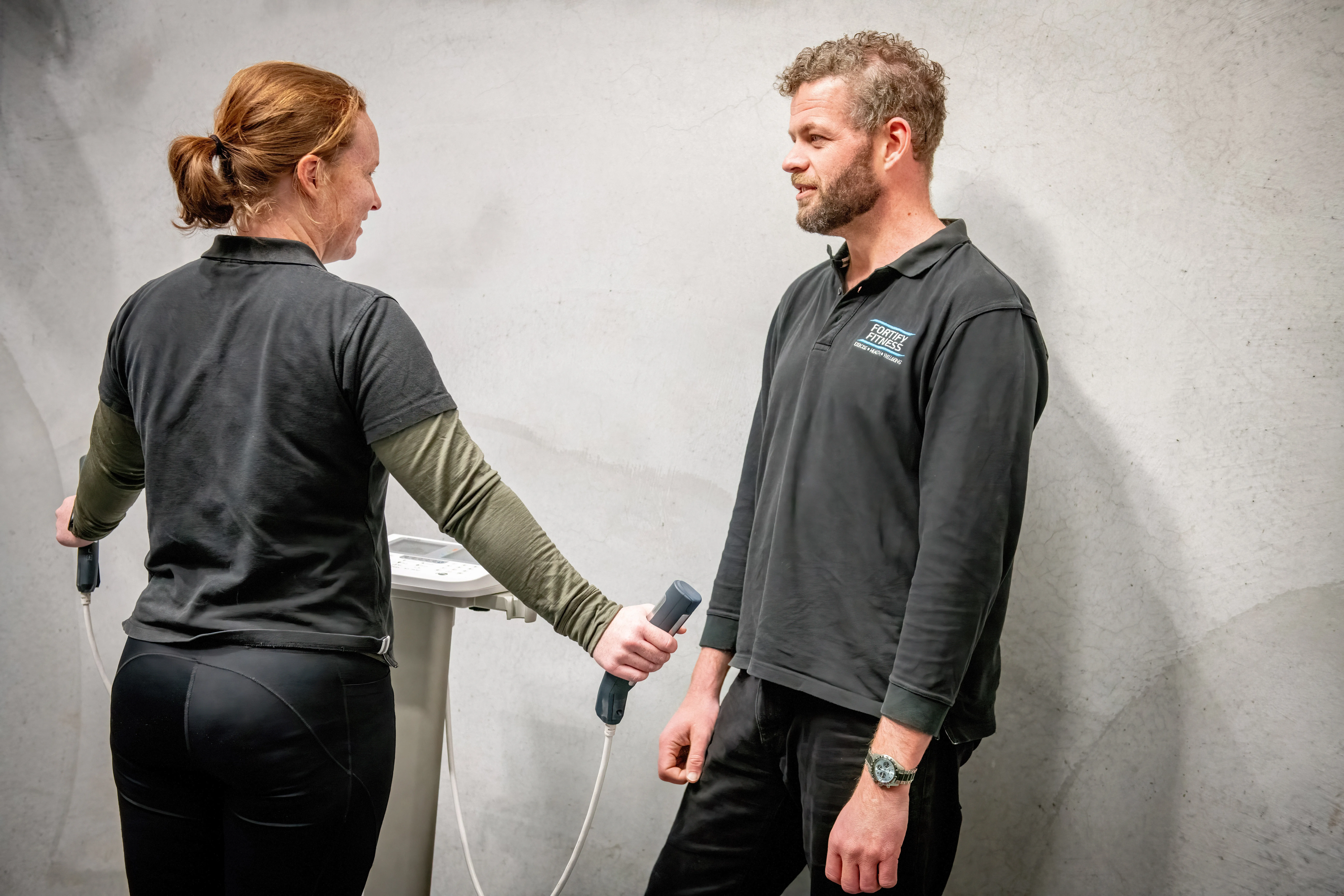
Regular reassessment ensures your program evolves with your disease activity. Objective measures — including strength, aerobic capacity, and body composition — guide adjustments and track meaningful progress over time.
Download the PDF Guide
Get a printable clinical summary on Rheumatoid Arthritis and Exercise — including targets, safety tips, and flare management strategies — to share with your care team.
Book an Appointment
Ready to get started? Our accredited exercise physiologists specialise in complex autoimmune and chronic conditions. Call us to book your initial consultation.
Sources & References
Exercise is Medicine Australia — RA Position Statement
Evidence-based recommendations on exercise prescription for people with rheumatoid arthritis, including dose, modality, and safety guidelines.
Exercise Right — Rheumatoid Arthritis & Exercise
Patient-facing resources from accredited exercise physiologists on managing RA symptoms through structured physical activity.
Australasian Rheumatology Association
Clinical guidelines on RA management including the role of physical activity in disease-modifying strategies.
Disclaimer: This information is for educational purposes only and does not constitute medical advice. Always consult your rheumatologist and an accredited exercise physiologist before commencing or changing your exercise program.